Top Strategies for Corporate Reputation Management
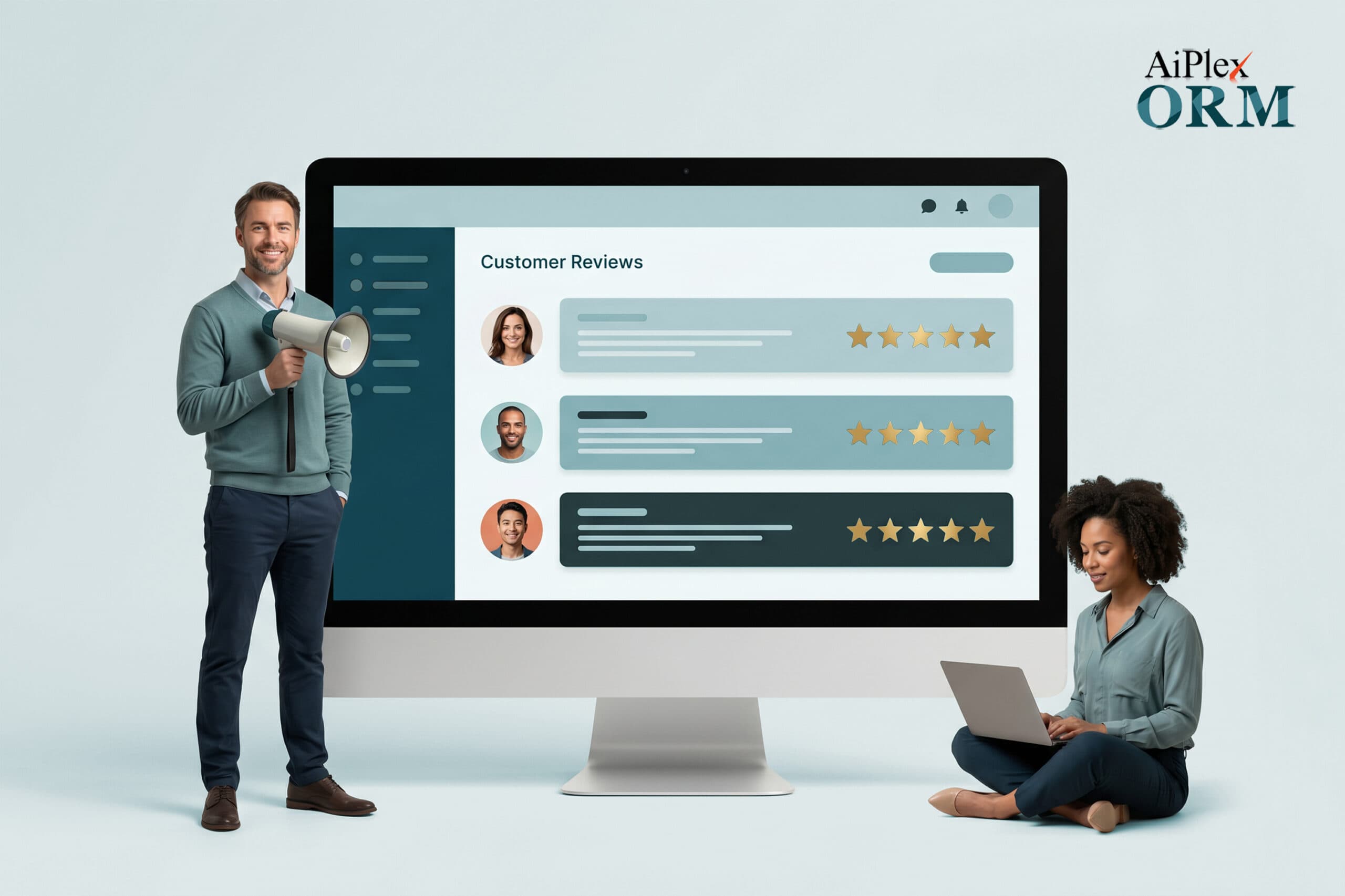
Table of Contents
In today’s interconnected digital age, corporate reputation management has become a defining factor for business success. Every brand, regardless of its size or industry, is constantly being evaluated by stakeholders, employees, investors, and most importantly, customers. A single positive review can boost credibility, while a single negative headline can cause long-term damage. For organizations striving to stand out in competitive markets, mastering corporate reputation management is no longer optional—it’s essential for survival and growth.
This blog explores the top strategies for effective corporate reputation management, designed to help businesses build trust, maintain brand integrity, and respond to challenges with confidence. From monitoring online sentiment to developing crisis management plans, these strategies are actionable steps every business can implement. By the end, you’ll not only gain insights into safeguarding your brand but also discover why partnering with experts like Aiplex ORM can make all the difference in ensuring your reputation remains strong in the long run.
Key Factors to Know Before Building a Reputation Strategy
When diving into corporate reputation management, it’s essential to understand the key elements that shape how your business is perceived. Reputation isn’t built overnight; it is the result of consistent actions, communications, and values displayed over time. Recognizing what factors influence your corporate image allows you to design strategies that truly resonate with audiences and protect against reputational risks.
In this section, we will explore the critical components every business should assess before rolling out a corporate reputation management plan. These factors serve as the foundation upon which all strategies should be built, ensuring that the steps you take are aligned with your brand’s values and stakeholder expectations.
Brand Transparency and Authenticity
Today’s customers value honesty and openness from brands more than ever. Businesses that communicate authentically, admit mistakes, and demonstrate accountability are more likely to earn long-term trust. Transparency builds loyalty and helps businesses withstand challenges without losing credibility.
Equally important is ensuring that the company’s promises match its actions. Authenticity in marketing, communication, and corporate behavior reinforces a positive reputation. Without this alignment, efforts in corporate reputation management may seem forced or insincere, leading to greater scrutiny.
Customer Experience and Engagement
Customer experience plays a central role in reputation. Businesses that provide consistent, high-quality service and actively engage with their audience tend to enjoy stronger reputations. From handling complaints professionally to personalizing customer interactions, engagement strategies are critical to building trust.
In addition, digital platforms make it easy for customers to share their experiences publicly. Positive interactions can generate organic advocacy, while negative ones can escalate quickly. Therefore, companies must prioritize customer-centric strategies to protect and enhance their reputation.
Online Presence and Visibility
In the digital world, a brand’s online presence is often the first impression customers have. Websites, social media profiles, and digital content must reflect professionalism, consistency, and trustworthiness. Businesses without a strong digital footprint risk being overlooked or perceived as less credible.
Moreover, visibility in search results significantly impacts corporate reputation. Brands with positive online mentions, well-optimized websites, and valuable content enjoy stronger authority and influence, positioning themselves as trustworthy leaders in their industries.
Media and Public Relations Influence
Media coverage can greatly shape public opinion about a company. Positive press highlights achievements, innovation, and social responsibility, while negative coverage can damage trust. Building strong relationships with media outlets and ensuring accurate messaging helps maintain a favorable reputation.
Public relations strategies must be proactive rather than reactive. By sharing thought leadership, CSR initiatives, and positive stories, businesses can influence how they are perceived, rather than leaving reputation to chance.
Crisis Preparedness and Risk Management
Every business, regardless of size, faces potential crises—be it product recalls, data breaches, or negative publicity. Reputation damage often occurs not because of the issue itself, but because of how it is handled. Companies that prepare for crises with clear strategies, communication plans, and trained teams recover more effectively.
Crisis preparedness ensures that stakeholders feel informed and supported, even in difficult times. An effective corporate reputation management strategy must integrate risk management to protect against sudden disruptions that could harm brand integrity.
Top Strategies for Corporate Reputation Management
Implementing a structured approach to reputation management requires focusing on strategies that address both proactive and reactive elements. Below are the top strategies businesses should adopt to ensure a resilient and respected reputation in today’s fast-paced world.
Monitoring and Managing Online Reviews
Online reviews on platforms like Google, Yelp, and Trustpilot play a critical role in shaping customer perceptions. Actively monitoring reviews allows companies to identify areas of strength and opportunities for improvement. Responding promptly to both positive and negative feedback shows customers that their opinions matter.
Encouraging satisfied customers to leave reviews also enhances credibility. By building a library of authentic testimonials, businesses create social proof that strengthens trust among potential customers and investors alike.
Leveraging Social Media Responsibly
Social media is a double-edged sword—it can amplify positive stories or spread negative ones rapidly. Companies must develop robust social media strategies to engage audiences effectively, maintain brand voice, and handle feedback gracefully. Timely and professional responses to comments can turn potential crises into opportunities for trust-building.
Additionally, leveraging social media analytics provides insights into audience sentiment, enabling brands to make informed adjustments. A proactive, responsible approach to social media engagement ensures long-term reputational growth.
Investing in Employee Advocacy
Employees are the most powerful brand ambassadors any company has. Their behavior, satisfaction, and loyalty reflect directly on corporate reputation. Encouraging employees to share positive stories, testimonials, and company updates strengthens authenticity in public perception.
Creating a culture of transparency, recognition, and empowerment ensures employees feel aligned with the brand’s mission. Satisfied employees naturally advocate for their workplace, boosting the company’s reputation both internally and externally.
Building Strong Media Relations
Maintaining positive relationships with journalists, bloggers, and industry publications ensures favorable media coverage. Providing accurate information, thought leadership content, and timely responses makes your company a trusted source for the press.
Strategic PR efforts highlight corporate achievements, innovations, and community initiatives, building goodwill. Proactive media engagement is an essential pillar of effective corporate reputation management, ensuring visibility and credibility in the marketplace.
Prioritizing Corporate Social Responsibility (CSR)
Modern consumers and stakeholders increasingly value companies that contribute to social and environmental causes. CSR initiatives—whether sustainability programs, charitable donations, or employee volunteerism—reinforce a company’s commitment to ethical practices.
Integrating CSR into corporate reputation management demonstrates that the brand values more than profits. Highlighting these efforts in marketing and communication builds trust and attracts customers, investors, and employees who share similar values.
Developing a Crisis Communication Plan
Crisis management is inevitable for every business. Developing a well-structured communication plan ensures a quick, effective response during difficult times. This includes drafting key messages, identifying spokespersons, and setting up monitoring systems to track public sentiment.
Transparency, empathy, and accountability are crucial in crisis communication. By managing crises effectively, businesses not only minimize damage but also have the opportunity to strengthen stakeholder trust.
Enhancing SEO and Content Strategy
Search engine results are one of the first places people look when forming opinions about a brand. Investing in SEO and creating high-quality, relevant content ensures that positive information ranks higher than negative or misleading content.
Content strategies should focus on publishing blogs, press releases, and case studies that showcase expertise and success stories. A well-optimized content ecosystem strengthens brand authority and supports long-term reputation management.
Why Choose Aiplex ORM for Reputation Management
Managing corporate reputation requires expertise, tools, and constant monitoring—resources that many businesses may lack internally. This is where Aiplex ORM excels. As a trusted leader in online reputation management, Aiplex ORM provides comprehensive services that protect, repair, and enhance brand image across digital platforms.
With advanced monitoring tools, tailored strategies, and expert teams, Aiplex ORM ensures that your brand remains resilient against negative publicity and competitive pressures. Whether it’s managing reviews, optimizing online presence, or crafting crisis communication plans, Aiplex ORM delivers proactive solutions that safeguard your corporate identity. Partnering with them means gaining peace of mind, knowing that your reputation is in expert hands.
Conclusion
Corporate reputation management is not a one-time effort but an ongoing commitment to building trust, transparency, and authenticity. In today’s highly competitive landscape, a strong reputation is the foundation of sustainable growth and customer loyalty. From leveraging social media and managing online reviews to fostering employee advocacy and CSR initiatives, every strategy contributes to strengthening brand perception.
By implementing the strategies outlined in this blog, businesses can proactively shape their public image, prepare for challenges, and stand out as trusted leaders. To take your reputation management efforts to the next level, partnering with experts like Aiplex ORM ensures that your brand not only survives challenges but thrives in the digital era.
Summary
This blog outlined the top strategies for corporate reputation management, including online review monitoring, social media engagement, employee advocacy, media relations, CSR initiatives, crisis communication, and SEO optimization. Before implementing these, businesses must also understand foundational elements like transparency, customer engagement, and crisis preparedness. Together, these strategies create a resilient framework for long-term reputation success.
Choosing Aiplex ORM provides businesses with the expertise and tools needed to protect and enhance their brand reputation. With their professional reputation management services, companies gain confidence, credibility, and a competitive edge, ensuring sustainable growth in today’s digital-first world.
Share this Article


OUR RECENT POSTS

Advanced Online Brand Monitoring for Business Growth
A single customer review, social media post, forum discussion, or news mention can influence how people perceive a business. Brand reputation is no longer shaped only by advertising campaigns or official company statements. Instead, it is continuously affected by conversations happening across websites, social platforms, review portals, blogs, and online communities. Businesses that actively track
AI Admin
|03/06/2026
|1 min read

Social Listening Services for Brands That Protect Your Brand
Every brand leaves a trail of conversations across social media platforms, review websites, forums, blogs, and online communities. Customers discuss their experiences, competitors compare offerings, influencers share opinions, and industry trends evolve rapidly. While many businesses focus heavily on publishing content and running campaigns, the real value often lies in understanding what people are already
AI Admin
|02/06/2026
|1 min read
Unauthorized Use of Brand Name Removal Services
A business can spend years building a trusted brand identity, only to discover that another website, seller, or online entity is using the same brand name without authorization. This misuse can damage customer trust, create confusion in the market, and divert valuable traffic away from the original business. Companies dealing with counterfeit products, fake social
AI Admin
|01/06/2026
|1 min read

Brand Protection Company India for Online Security
A single counterfeit listing, fake social media page, or pirated marketplace profile can weaken years of brand-building efforts within weeks. Businesses across industries are investing heavily in digital marketing, influencer partnerships, and online expansion, yet many overlook the growing risks connected to unauthorized sellers, trademark misuse, and digital impersonation. This is exactly why the search
AI Admin
|31/05/2026
|1 min read

Trademark Enforcement Online for Brand Safety
A counterfeit listing can appear on a marketplace within minutes, but the damage it creates often lasts much longer. Businesses spend years building trust, customer loyalty, and recognition, only to watch fake sellers misuse logos, copy product descriptions, and mislead buyers through unauthorized online stores. This growing challenge has made trademark enforcement online an essential
AI Admin
|30/05/2026
|1 min read

GET STARTED TODAY...
Speak to a strategist today and see why brands rate AiPlex among the best online reputation management company options for India and global markets.
GET STARTED TODAY...
Speak to a strategist today and see why brands rate AiPlex among the best online reputation management company options for India and global markets.
TOP FAQs
Repairing your online reputation involves a strategic approach that includes assessing your current digital presence, addressing negative content, and building a positive image. Begin by searching for your brand online to identify damaging reviews or comments. Respond professionally and authentically to negative feedback to show accountability. Improve your online presence by sharing positive content like testimonials, blogs, or success stories. Regularly monitor your online mentions and use reputation management tools to stay proactive. If the task seems overwhelming, consider hiring professionals who specialize in online reputation management to help restore your brand’s trust and credibility effectively. Consistent effort over time is key to lasting repair.
Google Reviews Management involves monitoring, responding to, and optimizing customer reviews on your Google Business Profile. It is crucial because Google reviews act as social proof, helping potential customers trust your business. Positive reviews increase your brand’s credibility, improve local SEO rankings, and can directly boost conversions and sales. Managing reviews also means addressing negative feedback promptly and professionally, turning potential negatives into positives. This active engagement signals to Google and customers that you value feedback and care about customer experience, giving your business a competitive edge in search results and reputation
An ORM company specializes in managing, monitoring, and improving your business’s online reputation across digital platforms such as search engines, social media, review sites, and news articles. They use a combination of strategies like content creation, review management, SEO, crisis response, and brand monitoring to ensure that negative content is suppressed and positive content is highlighted. By maintaining a favorable online image, ORM services help protect your brand from damage, increase customer trust, and enhance your business’s credibility—ultimately supporting lead generation, sales growth, and long-term success in a competitive digital landscape
Measuring social media branding success involves tracking both quantitative and qualitative metrics. Quantitative metrics include follower growth, engagement rates (likes, comments, shares), reach, impressions, website traffic, and conversions. Qualitative insights assess brand perception, audience sentiment, and customer feedback. Tools like Google Analytics, social media analytics dashboards, and social listening platforms help monitor performance. Regularly analyzing these metrics allows businesses to adjust their branding strategies, optimize content, and ensure alignment with goals. By continuously refining social media branding efforts, companies can maximize impact, build stronger connections, and achieve sustainable growth.
An effective social media brand consists of several core elements: a clear brand voice, consistent visual identity, engaging content, and defined audience targeting. The brand voice should reflect your company’s personality, values, and mission. Visual identity includes logos, color schemes, and design templates that make posts instantly recognizable. Content should provide value, educate, entertain, or inspire followers. Regular interaction, responding to comments, and monitoring trends enhance engagement. Combining these elements helps establish credibility, strengthens customer relationships, and ensures that your social media presence leaves a lasting impression on your audience.
The best platforms for social media branding depend on your target audience and business goals. Instagram and TikTok are ideal for visually appealing and creative content, reaching younger demographics. LinkedIn works best for B2B branding, showcasing expertise, and professional networking. Facebook remains strong for community building and advertising, while Twitter is effective for real-time updates and thought leadership. Consistency across all chosen platforms is key—ensuring your logo, tone, colors, and messaging align. A well-planned platform strategy allows brands to maximize visibility, engagement, and long-term growth across social media.
Social media branding boosts visibility by creating a cohesive and recognizable presence that users can quickly identify. Consistent visuals, messaging, and posting schedules make it easier for audiences to remember and engage with your brand. By leveraging popular platforms like Instagram, LinkedIn, Facebook, and Twitter, brands can reach a wider audience, attract followers, and encourage sharing of content. Engaging posts, creative campaigns, and strategic hashtags amplify your reach. Over time, strong social media branding increases brand awareness, drives traffic to your website, and positions your business as a trusted authority in your industry.
Social media branding refers to the strategic process of creating a consistent and recognizable identity for your business across social media platforms. It includes using consistent logos, colors, messaging, and content styles that reflect your brand’s personality. Effective social media branding helps businesses stand out in crowded digital spaces, attract and retain customers, and build trust. By establishing a recognizable presence, companies can communicate their values, increase engagement, and create emotional connections with their audience, ultimately leading to better brand loyalty and increased sales.
Reputation is one of the most valuable intangible assets for any organization. ORM services provide continuous monitoring, content creation, and review engagement to maintain a credible public image. By strategically highlighting achievements and addressing concerns, ORM builds customer trust and loyalty. Over time, this drives higher conversions, strengthens brand positioning, and creates resilience during crises. Moreover, companies with strong reputations attract better employees, investors, and partners. Effective ORM ensures sustainable visibility, keeps businesses competitive, and empowers decision-makers with insights into how their brand is perceived in the digital landscape.
Businesses often face challenges such as fake reviews, negative media coverage, impersonation attacks, or competitor-driven defamation campaigns. ORM services provide solutions by removing harmful content legally, responding professionally to criticism, and ensuring positive stories rank higher on Google and other platforms. They help regulate inconsistent branding across social channels, address misinformation, and repair reputational harm caused by crises. Whether it’s reducing the impact of defamatory blogs or highlighting strong testimonials, ORM services create a healthier online narrative. This translates into improved customer trust, better recruitment prospects, and stronger overall brand perception.
ORM services are essential for businesses, brands, and individuals alike. Companies depend on customer reviews, social proof, and digital visibility to drive success. A single negative article or viral complaint can damage sales and client trust. Startups, celebrities, entrepreneurs, and executives also rely on ORM to maintain credibility and attractiveness to investors or partners. Industries like hospitality, healthcare, finance, and e-commerce are particularly sensitive. Professionals and businesses with high competition or public visibility benefit greatly from ORM services, ensuring their first impression online remains positive and free from misleading or outdated content.
ORM services involve a mix of monitoring, analysis, and action. The process begins with tracking brand mentions, reviews, and search engine results. Once risks or negative items are identified, strategies such as pushing positive content, publishing official press releases, launching review management campaigns, and using SEO techniques are applied. ORM professionals also address false claims with legitimate takedown requests. Over time, the negative impact of unwanted content decreases as positive narratives take priority in search and social visibility. This integrated approach helps businesses showcase strengths while building trust with their target audience.