Top 5 Tools for Effective Reputation Monitoring
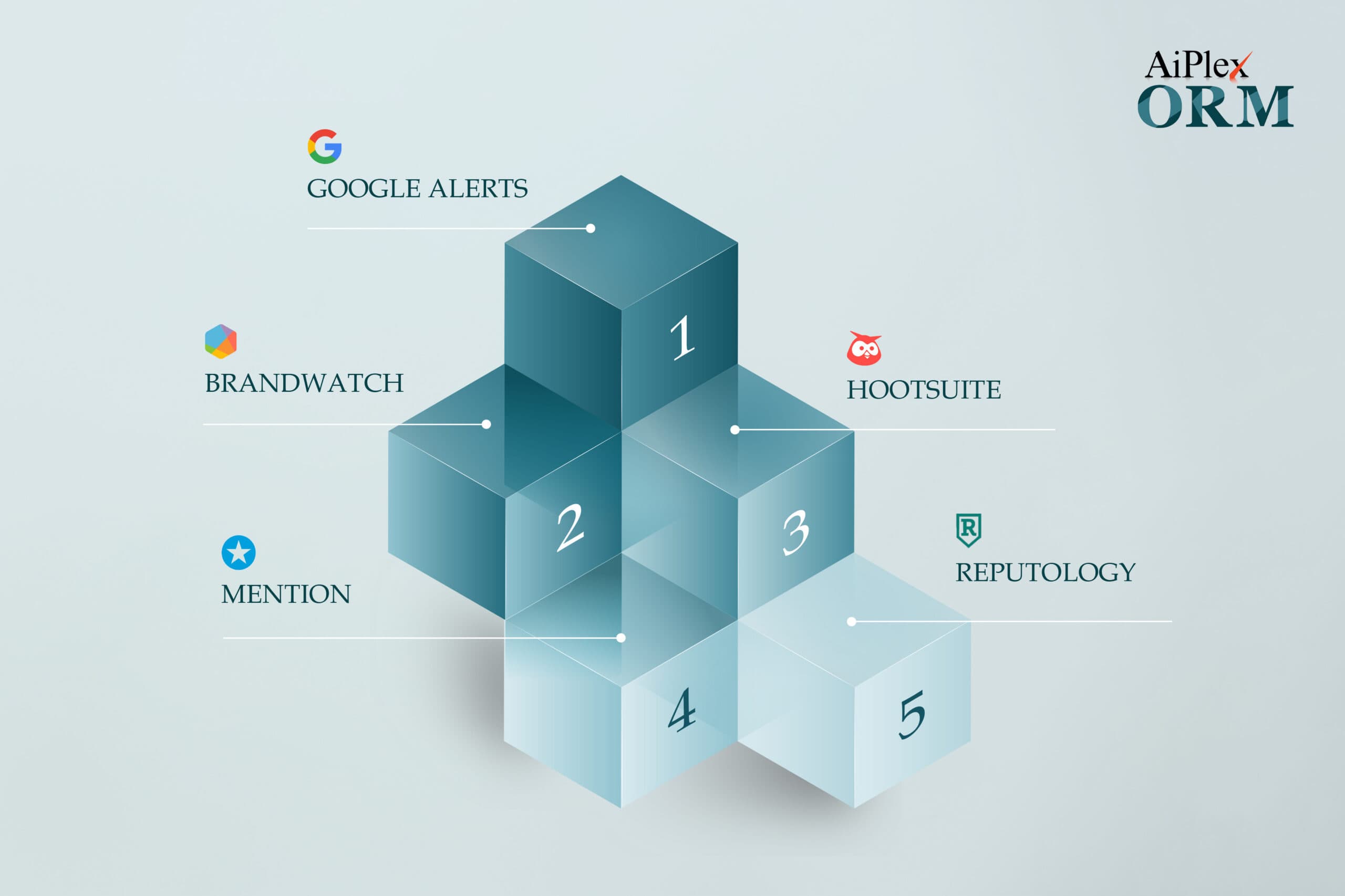
Table of Contents
Top 5 Tools for Effective Reputation Monitoring
Introduction
In today’s digital-first world, online reputation can make or break a business. One negative review, a viral social media post, or a poorly handled customer complaint can spread faster than ever before. This is why reputation monitoring has become a crucial business practice. Imagine a scenario where a potential customer searches for your brand online and is greeted with negative headlines or poor reviews. Such moments can create lasting impressions, often leading customers to choose competitors instead. With proper monitoring, businesses can stay proactive and ensure their reputation reflects trust and credibility.
That is why this blog explores the top five tools for effective reputation monitoring that every brand should consider using. These tools provide insights into customer sentiment, track brand mentions across multiple platforms, and allow businesses to take corrective action in real time. In the following sections, we will look at the key things to know before investing in these tools and then explore five of the most reliable options available. By the end of this blog, you will not only know which tools can safeguard your reputation but also understand how AiPlex ORM can strengthen your brand’s online presence.
Things to Know Before Choosing a Reputation Monitoring Tool
When selecting a reputation monitoring tool, businesses must look beyond just brand mentions and star ratings. While these are essential, what matters equally is the depth of insights a tool provides. A great monitoring solution doesn’t just alert you to what people are saying—it gives context, sentiment analysis, and actionable recommendations. Knowing these details can help you respond strategically rather than reactively, thereby preserving brand trust and loyalty.
Another factor to consider is scalability. A tool that works well for a small business might not meet the demands of a larger enterprise. Similarly, integration capabilities are vital. The best solutions work seamlessly with your CRM, customer service platforms, and even marketing automation tools. Below, we break down five specific areas every business should evaluate before choosing the right monitoring tool.
Sentiment Analysis and Insights
One of the most important aspects of reputation monitoring is sentiment analysis. Tools with this feature don’t just record what people are saying about your brand—they analyze the emotional tone behind the words. For instance, a customer complaint can either reflect frustration, disappointment, or a minor inconvenience, and the ability to interpret that sentiment is key to prioritizing responses. By using tools with advanced sentiment analysis, businesses can identify patterns and prevent small issues from snowballing into crises.
Beyond customer complaints, sentiment analysis provides valuable insights into overall brand perception. Brands can gauge whether new campaigns are being received positively, or if certain product features need to be improved. This secondary insight ensures businesses are not just monitoring, but actively learning from what their customers are expressing.
Real-Time Monitoring Capabilities
A delayed response to negative publicity can often worsen the situation. That’s why real-time monitoring is a critical feature to look for. Tools that provide instant alerts ensure that businesses can respond promptly to crises, whether they appear on social media, blogs, or news portals. Quick responses can mitigate reputational harm and demonstrate accountability to the audience.
In addition, real-time monitoring allows companies to engage positively with customers in the moment. For example, if someone posts a glowing review or mentions your brand favorably on social media, a quick acknowledgment builds stronger customer relationships. The combination of proactive crisis management and timely engagement makes real-time monitoring a must-have feature.
Multi-Platform Coverage
Customers today engage with brands on various platforms—from review sites like Google and Yelp to social media channels like Facebook, Instagram, and LinkedIn. A strong reputation monitoring tool should cover this wide range. Limited platform coverage may leave blind spots, where negative or misleading information spreads unchecked. Therefore, businesses should opt for tools that offer comprehensive multi-platform monitoring.
Multi-platform coverage also allows businesses to identify which channels are most influential for their reputation. By understanding where customers are most active, companies can focus efforts on those platforms, maximizing brand visibility and trust-building efforts.
Integration with Business Systems
Reputation monitoring cannot function in isolation. For maximum effectiveness, it must integrate seamlessly with other business systems such as CRM, customer support, and marketing platforms. This integration ensures that feedback collected through monitoring can be converted into actionable tasks for relevant teams. For instance, a negative review can automatically create a support ticket for immediate resolution.
Integration also enhances the overall customer experience by closing the loop between monitoring and action. Instead of treating online feedback as separate from customer service, integration ensures every piece of feedback strengthens the customer journey. This not only improves reputation but also builds customer loyalty.
Reporting and Analytics
Finally, businesses need robust reporting and analytics features from their reputation monitoring tools. Beyond tracking mentions, detailed reports allow management to understand trends, track improvements, and measure the effectiveness of reputation management strategies. Customizable dashboards and analytics help businesses focus on metrics that matter most, such as customer satisfaction scores, brand sentiment shifts, or competitor comparisons.
With data-driven insights, decision-makers can allocate resources more effectively, identify recurring issues, and celebrate wins. Analytics transforms monitoring from a reactive process into a strategic driver for brand growth and resilience.
Tool #1: Google Alerts
- Google Alerts remains one of the simplest yet effective tools for reputation monitoring. By setting up alerts for your brand name, product names, or industry keywords, businesses can receive real-time notifications whenever relevant content appears online. This makes it easier to track news articles, blogs, or mentions that could impact your brand’s image. It’s especially helpful for small businesses or startups that may not yet have the budget for advanced monitoring tools.
- While Google Alerts is free and easy to set up, it does have limitations in terms of depth. It primarily tracks publicly available websites and may not capture all social media conversations. Still, it serves as an excellent starting point for businesses to monitor their reputation without significant investment. For many, it acts as the foundation upon which more advanced tools are later added.
Tool #2: Brandwatch
- Brandwatch is a comprehensive reputation monitoring and social listening platform widely used by enterprises. It offers advanced features like sentiment analysis, demographic breakdowns, and competitive benchmarking. With access to millions of online conversations across social media, blogs, forums, and news outlets, Brandwatch provides a holistic view of how a brand is perceived online. This makes it especially useful for larger organizations managing multiple markets or product lines.
- Another strong feature of Brandwatch is its customizable dashboards and data visualization capabilities. Businesses can track real-time trends and quickly identify reputational risks. The insights go beyond monitoring and help brands design better campaigns, refine messaging, and improve customer engagement strategies. For companies seeking a detailed, enterprise-grade tool, Brandwatch stands out as a leader.
Tool #3: Hootsuite
- Hootsuite, while primarily known as a social media management platform, also offers strong reputation monitoring features. Through its streams and dashboards, businesses can track mentions, comments, and conversations happening across various social media channels. This makes it easier to engage directly with customers, address issues, and amplify positive interactions in real time.
- What sets Hootsuite apart is its ability to combine monitoring with scheduling and publishing tools. This ensures that businesses are not only listening but also actively shaping their brand narrative. By integrating reputation monitoring into daily social media management, Hootsuite provides a practical solution for businesses of all sizes. It is particularly effective for organizations that rely heavily on social media for customer engagement.
Tool #4: Mention
- Mention is a versatile tool that combines brand monitoring, social listening, and competitive analysis. It allows businesses to track brand mentions across millions of sources, including blogs, news sites, forums, and social media platforms. With its sentiment analysis feature, Mention helps businesses quickly identify whether the feedback is positive, negative, or neutral, allowing for targeted responses.
- Another strength of Mention is its competitor tracking. Businesses can compare their reputation against industry rivals and adjust strategies accordingly. The platform also integrates with tools like Slack and Zapier, ensuring that monitoring fits seamlessly into existing workflows. For small to medium businesses looking for an all-in-one monitoring and competitive intelligence tool, Mention is a strong contender.
Tool #5: Reputology
- Reputology specializes in monitoring and managing online reviews, making it a must-have for businesses in industries like hospitality, healthcare, and retail. It aggregates reviews from platforms like Google, Yelp, and TripAdvisor into a single dashboard, allowing businesses to respond quickly and consistently. By managing reviews effectively, brands can enhance customer trust and maintain high ratings across platforms.
- Beyond review aggregation, Reputology offers detailed analytics to spot trends and recurring issues. For instance, if multiple reviews highlight poor customer service, management can take proactive steps to address systemic problems. This makes Reputology not only a monitoring tool but also a driver of operational improvement. Businesses that thrive on customer reviews find it particularly invaluable.
Why Choose AiPlex ORM for Reputation Monitoring?
While tools like Google Alerts, Brandwatch, Hootsuite, Mention, and Reputology provide excellent features, the real challenge lies in managing them effectively and aligning them with your brand’s long-term goals. That’s where AiPlex ORM stands apart. As a specialized online reputation management service, AiPlex provides not just monitoring but also proactive strategies to safeguard and enhance your brand image. From crisis management to content optimization, AiPlex offers end-to-end solutions tailored to your business needs.
Moreover, AiPlex integrates human expertise with technology. While tools can capture data, interpreting and acting on that data requires experience and judgment. AiPlex’s team ensures that every insight translates into meaningful action. Whether it’s responding to negative reviews, promoting positive content, or building a stronger online presence, AiPlex works as a dedicated partner in managing your reputation. Choosing AiPlex means choosing peace of mind and long-term brand resilience.
Conclusion
In the age of digital transparency, a business’s reputation is one of its most valuable assets. The five tools discussed—Google Alerts, Brandwatch, Hootsuite, Mention, and Reputology—equip brands with the ability to track, analyze, and respond to public perception effectively. Each tool offers unique strengths, catering to businesses of different sizes and industries. However, tools alone are not enough; the ability to interpret insights and implement changes is equally vital.
That’s why partnering with experts like AiPlex ORM ensures a comprehensive approach to reputation monitoring and management. By combining advanced technology with expert strategy, AiPlex helps businesses safeguard their reputation, build trust, and grow sustainably. If protecting your brand image is a priority, now is the time to take action with the right tools—and the right partner.
Summary
Reputation monitoring is no longer optional in today’s digital ecosystem. This blog explored the top five tools for effective reputation monitoring: Google Alerts, Brandwatch, Hootsuite, Mention, and Reputology. Each offers unique benefits, from real-time monitoring and sentiment analysis to review aggregation and competitive benchmarking. While these tools provide valuable data, true success lies in applying insights strategically.
That’s where AiPlex ORM makes the difference. With its expert-driven approach to online reputation management, AiPlex not only monitors your brand’s reputation but actively shapes it. By addressing crises, enhancing positive content, and integrating monitoring with broader business goals, AiPlex delivers a holistic solution. Choosing AiPlex means ensuring your brand is protected, respected, and trusted in every digital space.
Share this Article


OUR RECENT POSTS

Advanced Online Brand Monitoring for Business Growth
A single customer review, social media post, forum discussion, or news mention can influence how people perceive a business. Brand reputation is no longer shaped only by advertising campaigns or official company statements. Instead, it is continuously affected by conversations happening across websites, social platforms, review portals, blogs, and online communities. Businesses that actively track
AI Admin
|03/06/2026
|1 min read

Social Listening Services for Brands That Protect Your Brand
Every brand leaves a trail of conversations across social media platforms, review websites, forums, blogs, and online communities. Customers discuss their experiences, competitors compare offerings, influencers share opinions, and industry trends evolve rapidly. While many businesses focus heavily on publishing content and running campaigns, the real value often lies in understanding what people are already
AI Admin
|02/06/2026
|1 min read
Unauthorized Use of Brand Name Removal Services
A business can spend years building a trusted brand identity, only to discover that another website, seller, or online entity is using the same brand name without authorization. This misuse can damage customer trust, create confusion in the market, and divert valuable traffic away from the original business. Companies dealing with counterfeit products, fake social
AI Admin
|01/06/2026
|1 min read

Brand Protection Company India for Online Security
A single counterfeit listing, fake social media page, or pirated marketplace profile can weaken years of brand-building efforts within weeks. Businesses across industries are investing heavily in digital marketing, influencer partnerships, and online expansion, yet many overlook the growing risks connected to unauthorized sellers, trademark misuse, and digital impersonation. This is exactly why the search
AI Admin
|31/05/2026
|1 min read

Trademark Enforcement Online for Brand Safety
A counterfeit listing can appear on a marketplace within minutes, but the damage it creates often lasts much longer. Businesses spend years building trust, customer loyalty, and recognition, only to watch fake sellers misuse logos, copy product descriptions, and mislead buyers through unauthorized online stores. This growing challenge has made trademark enforcement online an essential
AI Admin
|30/05/2026
|1 min read

GET STARTED TODAY...
Speak to a strategist today and see why brands rate AiPlex among the best online reputation management company options for India and global markets.
GET STARTED TODAY...
Speak to a strategist today and see why brands rate AiPlex among the best online reputation management company options for India and global markets.
TOP FAQs
Repairing your online reputation involves a strategic approach that includes assessing your current digital presence, addressing negative content, and building a positive image. Begin by searching for your brand online to identify damaging reviews or comments. Respond professionally and authentically to negative feedback to show accountability. Improve your online presence by sharing positive content like testimonials, blogs, or success stories. Regularly monitor your online mentions and use reputation management tools to stay proactive. If the task seems overwhelming, consider hiring professionals who specialize in online reputation management to help restore your brand’s trust and credibility effectively. Consistent effort over time is key to lasting repair.
Google Reviews Management involves monitoring, responding to, and optimizing customer reviews on your Google Business Profile. It is crucial because Google reviews act as social proof, helping potential customers trust your business. Positive reviews increase your brand’s credibility, improve local SEO rankings, and can directly boost conversions and sales. Managing reviews also means addressing negative feedback promptly and professionally, turning potential negatives into positives. This active engagement signals to Google and customers that you value feedback and care about customer experience, giving your business a competitive edge in search results and reputation
An ORM company specializes in managing, monitoring, and improving your business’s online reputation across digital platforms such as search engines, social media, review sites, and news articles. They use a combination of strategies like content creation, review management, SEO, crisis response, and brand monitoring to ensure that negative content is suppressed and positive content is highlighted. By maintaining a favorable online image, ORM services help protect your brand from damage, increase customer trust, and enhance your business’s credibility—ultimately supporting lead generation, sales growth, and long-term success in a competitive digital landscape
Measuring social media branding success involves tracking both quantitative and qualitative metrics. Quantitative metrics include follower growth, engagement rates (likes, comments, shares), reach, impressions, website traffic, and conversions. Qualitative insights assess brand perception, audience sentiment, and customer feedback. Tools like Google Analytics, social media analytics dashboards, and social listening platforms help monitor performance. Regularly analyzing these metrics allows businesses to adjust their branding strategies, optimize content, and ensure alignment with goals. By continuously refining social media branding efforts, companies can maximize impact, build stronger connections, and achieve sustainable growth.
An effective social media brand consists of several core elements: a clear brand voice, consistent visual identity, engaging content, and defined audience targeting. The brand voice should reflect your company’s personality, values, and mission. Visual identity includes logos, color schemes, and design templates that make posts instantly recognizable. Content should provide value, educate, entertain, or inspire followers. Regular interaction, responding to comments, and monitoring trends enhance engagement. Combining these elements helps establish credibility, strengthens customer relationships, and ensures that your social media presence leaves a lasting impression on your audience.
The best platforms for social media branding depend on your target audience and business goals. Instagram and TikTok are ideal for visually appealing and creative content, reaching younger demographics. LinkedIn works best for B2B branding, showcasing expertise, and professional networking. Facebook remains strong for community building and advertising, while Twitter is effective for real-time updates and thought leadership. Consistency across all chosen platforms is key—ensuring your logo, tone, colors, and messaging align. A well-planned platform strategy allows brands to maximize visibility, engagement, and long-term growth across social media.
Social media branding boosts visibility by creating a cohesive and recognizable presence that users can quickly identify. Consistent visuals, messaging, and posting schedules make it easier for audiences to remember and engage with your brand. By leveraging popular platforms like Instagram, LinkedIn, Facebook, and Twitter, brands can reach a wider audience, attract followers, and encourage sharing of content. Engaging posts, creative campaigns, and strategic hashtags amplify your reach. Over time, strong social media branding increases brand awareness, drives traffic to your website, and positions your business as a trusted authority in your industry.
Social media branding refers to the strategic process of creating a consistent and recognizable identity for your business across social media platforms. It includes using consistent logos, colors, messaging, and content styles that reflect your brand’s personality. Effective social media branding helps businesses stand out in crowded digital spaces, attract and retain customers, and build trust. By establishing a recognizable presence, companies can communicate their values, increase engagement, and create emotional connections with their audience, ultimately leading to better brand loyalty and increased sales.
Reputation is one of the most valuable intangible assets for any organization. ORM services provide continuous monitoring, content creation, and review engagement to maintain a credible public image. By strategically highlighting achievements and addressing concerns, ORM builds customer trust and loyalty. Over time, this drives higher conversions, strengthens brand positioning, and creates resilience during crises. Moreover, companies with strong reputations attract better employees, investors, and partners. Effective ORM ensures sustainable visibility, keeps businesses competitive, and empowers decision-makers with insights into how their brand is perceived in the digital landscape.
Businesses often face challenges such as fake reviews, negative media coverage, impersonation attacks, or competitor-driven defamation campaigns. ORM services provide solutions by removing harmful content legally, responding professionally to criticism, and ensuring positive stories rank higher on Google and other platforms. They help regulate inconsistent branding across social channels, address misinformation, and repair reputational harm caused by crises. Whether it’s reducing the impact of defamatory blogs or highlighting strong testimonials, ORM services create a healthier online narrative. This translates into improved customer trust, better recruitment prospects, and stronger overall brand perception.
ORM services are essential for businesses, brands, and individuals alike. Companies depend on customer reviews, social proof, and digital visibility to drive success. A single negative article or viral complaint can damage sales and client trust. Startups, celebrities, entrepreneurs, and executives also rely on ORM to maintain credibility and attractiveness to investors or partners. Industries like hospitality, healthcare, finance, and e-commerce are particularly sensitive. Professionals and businesses with high competition or public visibility benefit greatly from ORM services, ensuring their first impression online remains positive and free from misleading or outdated content.
ORM services involve a mix of monitoring, analysis, and action. The process begins with tracking brand mentions, reviews, and search engine results. Once risks or negative items are identified, strategies such as pushing positive content, publishing official press releases, launching review management campaigns, and using SEO techniques are applied. ORM professionals also address false claims with legitimate takedown requests. Over time, the negative impact of unwanted content decreases as positive narratives take priority in search and social visibility. This integrated approach helps businesses showcase strengths while building trust with their target audience.